Tooth decay: symptoms, stages and treatment in Lutsk

Tooth decay, also called caries, is damage to a tooth caused by acids from bacteria in dental plaque. It often starts as a chalky spot on the enamel, can progress to a cavity, and may later reach the nerve inside the tooth. It does not always hurt, so a dental examination is the reliable way to find it. Early changes are sometimes managed with preventive care, while a formed cavity usually needs a filling. In Lutsk you can request an assessment at Dentika or Filigranno and ask for a plan for each tooth.
When should I see a dentist urgently?
- Toothache that wakes you at night or lingers after hot or cold
- Swelling of the gum, cheek or face
- Fever together with tooth pain
- A visible hole that is painful or a piece of tooth that has broken off
Early changes and a formed cavity
In the earliest stage the enamel loses minerals and shows a dull or chalky patch, but there is no cavity yet. At this point decay can sometimes be slowed or stopped with better hygiene, fluoride and changes in sugar intake, with the dentist monitoring the area. A formed cavity is different: tissue has been lost, and it will not repair itself.
Symptoms vary. You may notice a brown or dark spot, food catching in a hole, sensitivity to sweet or cold, or nothing at all. Decay between teeth is hard to see, which is why the dentist uses X-rays. Not every decay leads to root canal treatment; many cases are treated with a filling.
How tooth decay is detected
The dentist looks at all tooth surfaces, probes suspicious areas gently and checks old fillings. X-rays of the back teeth show decay between teeth and under fillings that cannot be seen directly. Drying the tooth and good lighting help to see early changes.
The depth of a cavity and the condition of the nerve are assessed separately. A deep cavity does not automatically mean the nerve is infected, and the dentist tests the tooth before recommending treatment; “Deep cavity or pulpitis?” explains the difference.
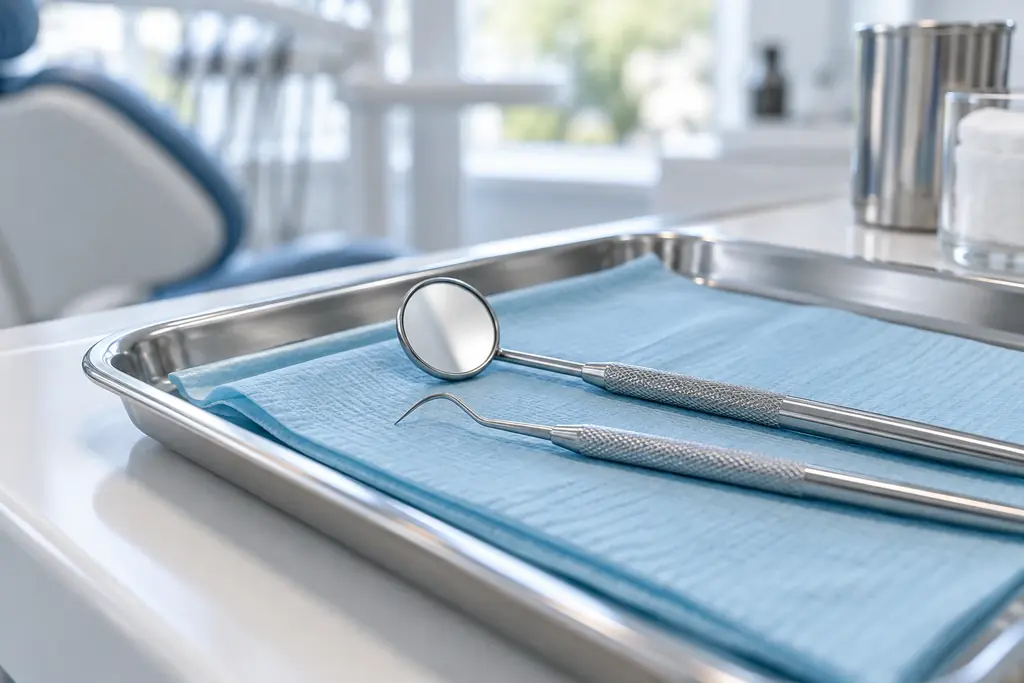
Prevention and treatment options
Prevention is the core of treating decay: brushing twice a day with fluoride toothpaste, cleaning between the teeth daily, limiting frequent sugary snacks and drinks, and regular check-ups. Professional cleaning and fluoride applications can help in suitable cases, and your dentist can tell you what is appropriate for you.
Once a cavity has formed, the usual treatment is to remove the damaged tissue and place a filling (“Dental fillings”). If decay has reached the nerve, treatment of the inside of the tooth may be discussed (“Root canal treatment”). A brief overview is under “Treatment options in Lutsk”.
Ask Dentika or Filigranno about an assessment in Lutsk
Request an appointment in LutskCall to check availability: Filigranno (050) 577-48-48 · Dentika (099) 655-00-57
Planning caries treatment in Lutsk
To plan caries treatment in Lutsk, request an examination at Dentika or Filigranno. If several teeth need attention, ask for an estimate tooth by tooth, with the order of treatment and what each visit includes.
You can see the services and prices in UAH here: “View prices in UAH”. The final cost is confirmed after examination.
Planning dental treatment in Ukraine and comparing costs
A planned assessment of several teeth can make a Ukraine cost comparison more useful. Ask for a tooth-by-tooth estimate, including preventive care, and compare it with a like-for-like quote at home.
Current prices: “View prices in UAH”. The final cost is confirmed after examination.
Travelling to Ukraine: check your government’s current travel advice before planning a trip.
Frequently asked questions
Choose a clinic in Lutsk
Book a caries assessment in Lutsk at Dentika or Filigranno and request a treatment plan for the affected teeth.

Request an appointment in Lutsk
Choose Dentika or Filigranno and describe the problem — the administrator will confirm availability.
Request received!
The administrator will contact you by phone or message to confirm your appointment.
An online request is not a confirmed appointment until the administrator replies.
Related guides
This guide is general information for patients. It is not a diagnosis and does not replace an in-person examination.